
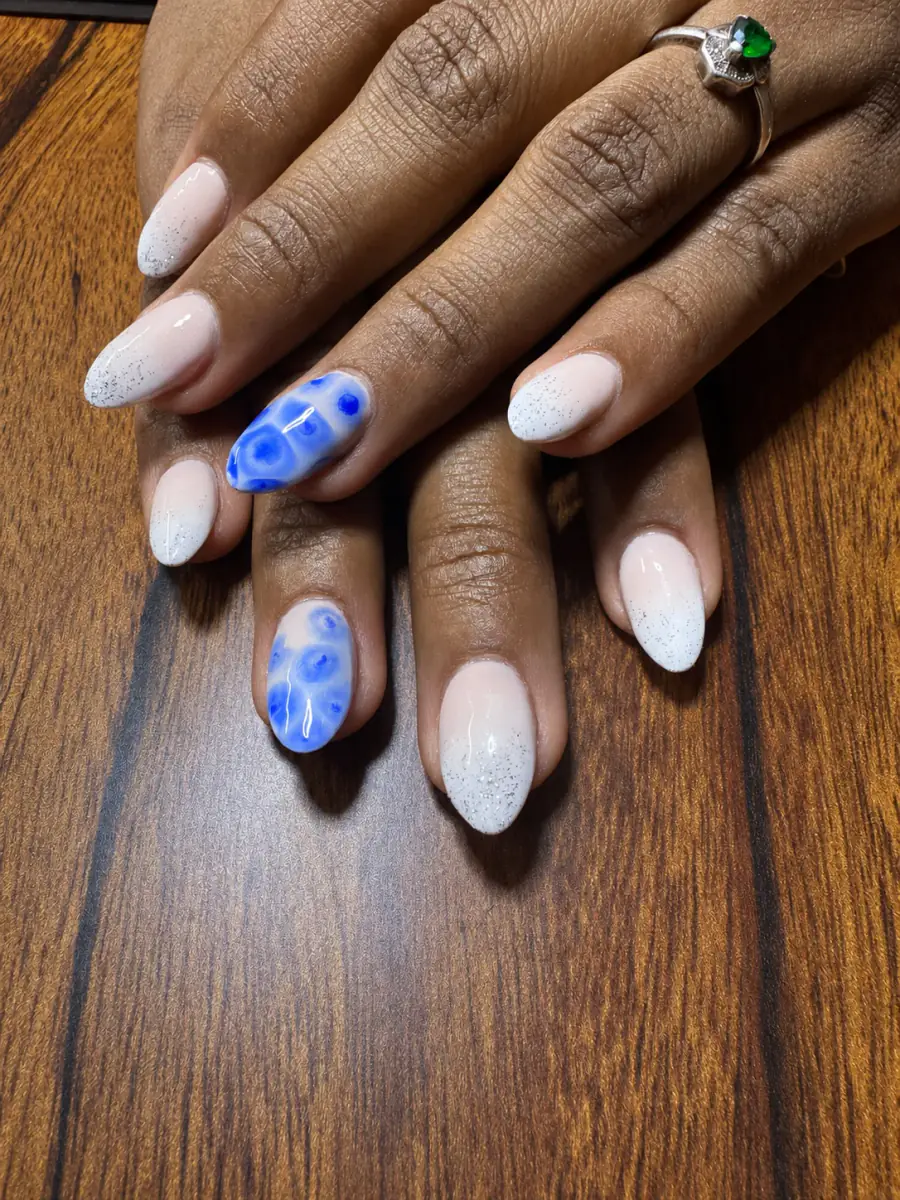
Nail choices can feel oddly complicated when every saved photograph uses a different salon term. This guide turns nail salon hygiene into a practical conversation: what matters, what may suit your routine and what to ask before you book. Bia's approach at See My Nails is simple. Your set should look beautiful, feel comfortable and make sense for the way you actually use your hands.
Hygiene is part of the service
Nail Salon Hygiene: What Every Client Should Check matters because nail services involve close contact with skin, nail plates, dust and reusable tools. A beautiful result does not replace responsible working practices. Clients should feel comfortable asking how the station, tools and disposables are managed.
Before Bia reaches for a file, colour or brush, she wants to understand what life looks like for your hands. Do you type all day, cook often, care for children, travel or have an event coming up? Those details matter. When discussing nail salon hygiene, she will talk through hand hygiene, cleaned and disinfected tools, single-use items, dust control, tidy surfaces and honest contraindications. The finished set should feel like your style, but it should also feel comfortable on an ordinary Tuesday, not only in the first photograph.
What clients can observe
Look for a clean working surface, clean hands, organised products and tools that have been handled appropriately between clients. Single-use items should not appear heavily worn or shared beyond their intended use. Dust should be managed rather than left across the station.
Hygiene also includes stopping when a service is not appropriate. Cuts, inflammation, suspected infection or unexplained nail changes may need healing or medical advice before cosmetic work.
- Clean hands and work surface
- Appropriately processed reusable tools
- Fresh single-use items where required
- Responsible dust and waste handling
- No service over a suspected infection
Preparation without unnecessary damage
Preparation should remove surface shine and create a suitable base without aggressively thinning the natural nail. More filing does not automatically mean better retention. Product choice, careful cuticle-area preparation and balanced structure work together.
Tell Bia if your nails feel sore during any stage. Heat spikes during curing, pinching or filing discomfort should be communicated rather than endured silently.
Product and allergy awareness
Share previous reactions, sensitivities and known allergies before the appointment. Avoid touching uncured gel and do not repeatedly expose skin to product. If itching, swelling or blistering develops after a service, seek medical advice and inform the nail artist.
A responsible studio does not diagnose medical conditions, but it can listen, avoid working over concerning symptoms and recommend that cosmetic treatment wait.
Client responsibilities
Arrive with reasonably clean hands, disclose existing conditions and avoid attending when you have a contagious skin problem. Follow aftercare, do not pick at lifting and book professional removal. Hygiene continues after the appointment because damaged or lifted product should not be ignored.
For nail salon hygiene, the practical focus is hand hygiene, cleaned and disinfected tools, single-use items, dust control, tidy surfaces and honest contraindications. These habits support both safety and a better finished result.
Questions you can ask before booking
Ask how existing product is handled, how tools and surfaces are prepared, how much time your chosen service may need and what information should be sent in advance. You can also ask how repairs and removals are managed. Clear answers are a positive sign.
Bia reserves time for each client so she can look at your references properly and plan the service with care. When you message about nail salon hygiene, send a clear photo of your current nails, a preferred date and the looks you have saved. Mention any gel, acrylic, tips or builder product already on the nails. It is a small detail that prevents removal or repair time from becoming an unwelcome surprise.
A comfortable, private appointment
See My Nails By Bia is designed around reserved one-to-one appointments. The quieter setting supports careful consultation and gives Bia time to prepare for the agreed service. Hygiene, comfort and design are treated as connected parts of the same experience.
If you have a question about suitability, send a current nail photo before booking. Honest guidance is more valuable than automatically performing a service that does not suit the nail condition.
Continue planning your appointment
Explore the complete nail service menu, see real client Nail Looks, or contact Bia and view the Marathahalli location.
Ready when you are
Plan your nail appointment with Bia.
Send your current nail photo, preferred date and saved inspiration. Bia will help you choose the right service and confirm availability.
Helpful answers
Frequently asked questions
Is it okay to ask a nail artist about hygiene?+
Yes. Clients should feel comfortable asking about clean tools, single-use items, work surfaces and whether a service should be postponed when the skin or nails look irritated.
Can the advice in this guide be personalised for me?+
Yes. Use the guide as a starting point, then tell Bia about your routine, previous nail experiences and the finish you like. Her recommendation is based on your hands rather than a one-size-fits-all rule.
How much time should I keep free for the appointment?+
It depends on removal, length, structure and art detail. Once Bia sees your current nails and references, she can reserve a suitable slot. Keep some breathing room afterward so the service never has to be rushed.
Can I bring reference photographs to Bia?+
Yes. One or two clear references are helpful. Tell Bia whether you love the colour, shape, finish or a particular detail so she can adapt the idea naturally to your nails.
What is the easiest way to book with Bia?+
Use the booking enquiry button to send your preferred date, time, service and current nail details. Bia will reply with availability, service guidance and the next steps.